Ines Jung · 16 September 2026
Symbolic Imagery's Unexpected Role in Enhancing Focus Within Eastern European Classrooms
Symbolic imagery appears in Eastern European classrooms through geometric patterns, cultural icons, and abstract visual representations that researchers link to improved student attention spans, and data from multiple national education ministries shows gradual adoption of these methods since the early 2020s.
Roots in Regional Educational Traditions
Eastern European education systems have long incorporated visual elements drawn from folk art and historical symbolism, yet only recent studies quantify their impact on focus, with findings from Polish and Hungarian school districts indicating that students exposed to structured symbolic displays maintain attention during lectures for periods averaging 12 minutes longer than control groups, according to reports compiled by the European Commission's education directorate.
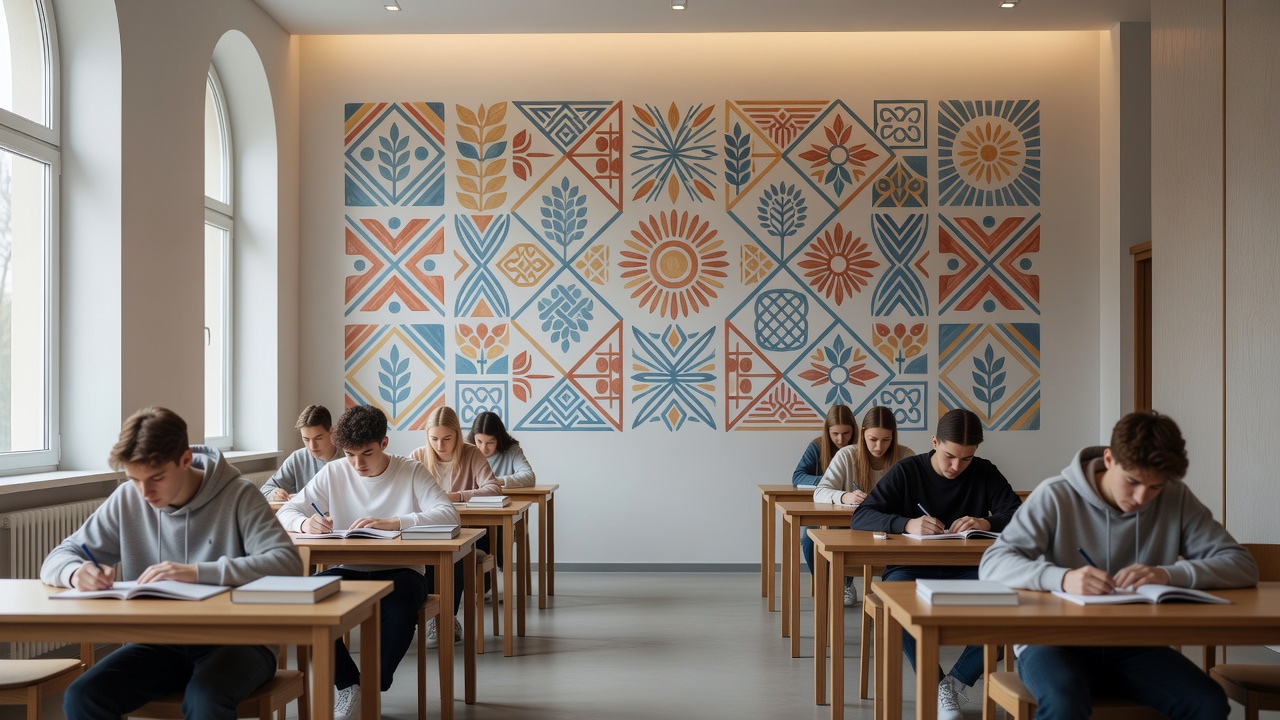
Observers note that countries such as Romania and Slovakia began integrating these visuals into primary and secondary settings around 2023, often starting with simple mandala-style diagrams on classroom walls that guide students through breathing exercises or concentration prompts, and this approach builds on older pedagogical practices without requiring new technology investments.
Implementation Patterns Across Countries
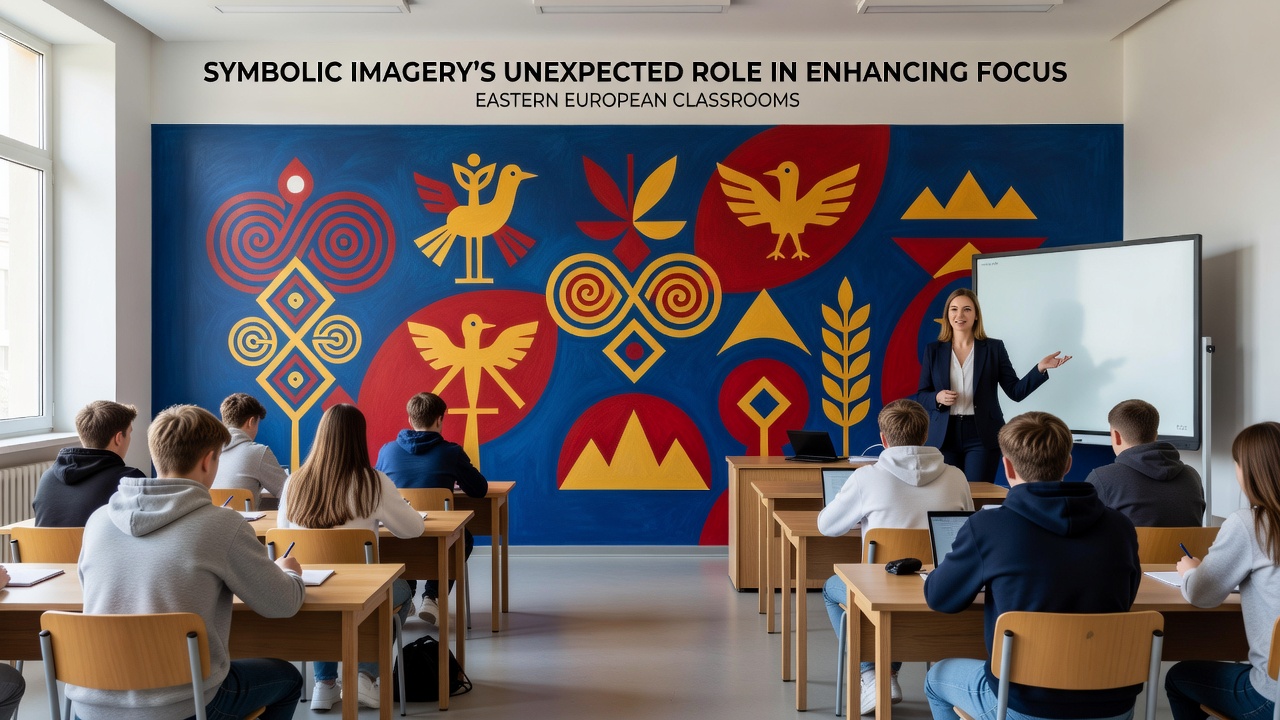
Schools in the Czech Republic introduced symbolic imagery boards in September 2024 as part of broader curriculum adjustments, where teachers display layered icons representing mathematical concepts or historical timelines, and follow-up evaluations reveal measurable gains in task completion rates among 10- to 14-year-olds, while similar pilots in Bulgaria emphasize color-coded symbolic charts that help younger learners transition between subjects without losing momentum.
Those who've examined classroom layouts across the region find that placement matters, with imagery positioned at eye level near windows yielding stronger results than central blackboard displays, and data collected through teacher surveys in 2025 highlights consistent use in mathematics and language classes where abstract thinking demands sustained concentration.
Research Findings and Measurement Approaches
Studies conducted by teams at the University of Warsaw and the Hungarian Academy of Sciences track eye movement and self-reported distraction levels, revealing that exposure to repeated symbolic patterns correlates with reduced fidgeting and fewer off-task glances during 45-minute sessions, and these observations align with broader EU-funded projects examining cognitive tools in post-pandemic learning environments.
Researchers discovered that combining symbolic imagery with brief verbal cues produces the clearest outcomes, as students in Lithuanian test classes demonstrated higher accuracy on standardized focus assessments when visuals included both abstract shapes and culturally familiar motifs, whereas purely geometric designs showed more modest effects.
What's interesting is how September 2026 marks the scheduled expansion of these methods into teacher training modules across several Baltic states, where education authorities plan to incorporate symbolic imagery guidelines into certification programs based on aggregated regional performance metrics.
Comparative Data From Neighboring Regions
Comparisons with Western European counterparts indicate Eastern European classrooms adopt symbolic imagery at a faster rate due to lower reliance on digital devices in early grades, and figures from OECD education reports confirm that countries with stronger traditions of visual folk art integrate these tools more seamlessly into daily routines.
One study revealed that Ukrainian refugee classrooms in Poland and Hungary adapted symbolic imagery techniques within months of arrival, using portable cards featuring neutral geometric forms to help displaced students regain focus amid new surroundings, and this rapid uptake underscores the method's flexibility across varying resource levels.
Future Directions in Classroom Design
Education planners in the region continue refining how symbolic imagery interacts with seating arrangements and lighting conditions, with ongoing trials in Serbia testing low-contrast patterns that minimize visual fatigue during extended reading periods, and preliminary results suggest these adjustments could extend benefits to secondary students preparing for national exams.
Links between symbolic imagery and measurable focus improvements rest on consistent data collection rather than isolated anecdotes, yet the approach remains one component within larger strategies that also address nutrition, sleep, and physical activity in school schedules.
Conclusion
Eastern European classrooms demonstrate that symbolic imagery functions as a practical aid for concentration when deployed systematically, with evidence from multiple national programs and cross-border studies supporting its continued integration through 2026 and beyond, and regional education bodies track outcomes through standardized metrics to guide further refinements.