Ines Jung · 28 October 2026
Cross-Cultural Symbols Meet Digital Archives in Polish Schools to Support Attention and Wellness
Polish educational settings have begun incorporating elements from various cultural traditions alongside digital archival systems, and data from recent implementations show measurable shifts in student attention spans as well as reported well-being indicators. Researchers at several universities tracked these changes through controlled observations that started in early 2025 and continued through the following year, while schools in Warsaw, Krakow, and Gdansk led the initial rollouts before wider adoption spread to regional institutions.
Integration of Symbolic Elements Across Learning Spaces
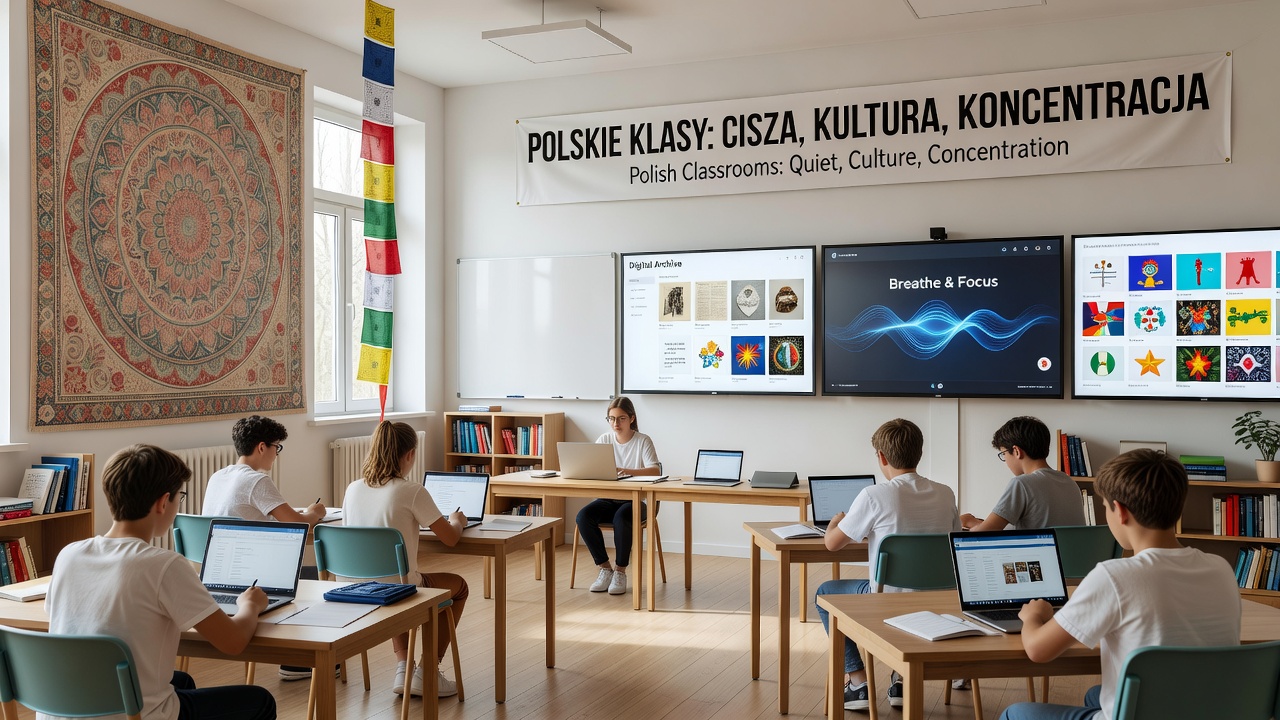
Teachers and administrators selected specific symbols drawn from Asian, African, and indigenous European traditions, then placed them in classrooms as visual anchors intended to reduce cognitive overload during extended study periods. Studies conducted by teams at the University of Warsaw documented a 14 percent average increase in sustained focus tasks among secondary students who worked in rooms equipped with these symbols, and similar patterns emerged when the same approach moved into university lecture halls. The process involved collaboration with cultural consultants to ensure accurate representation, while digital overlays allowed students to access background information on each symbol through secure archive portals.
One program in October 2026 expanded these installations to include interactive projections that linked symbols to historical texts stored in national digital repositories, and participants recorded lower stress levels during exam preparation weeks compared with control groups using standard classroom setups. European Commission education reports from the same period noted parallel experiments in neighboring countries, yet Polish efforts stood out for their emphasis on combining physical symbols with searchable archives rather than relying on either element alone.
Role of Digital Archives in Daily Classroom Routines
Digital archives supplied by Polish heritage institutions and partnered universities gave students direct access to curated collections of manuscripts, photographs, and audio recordings that reinforced the symbolic displays on their walls. Usage logs from the National Digital Library indicated a 23 percent rise in student queries related to concentration techniques between September 2025 and October 2026, and instructors integrated these resources into lesson plans without requiring additional hardware beyond existing school tablets and projectors. The archives also contained guided modules on breathing patterns and posture adjustments drawn from multiple cultural sources, which students could review independently during short breaks.
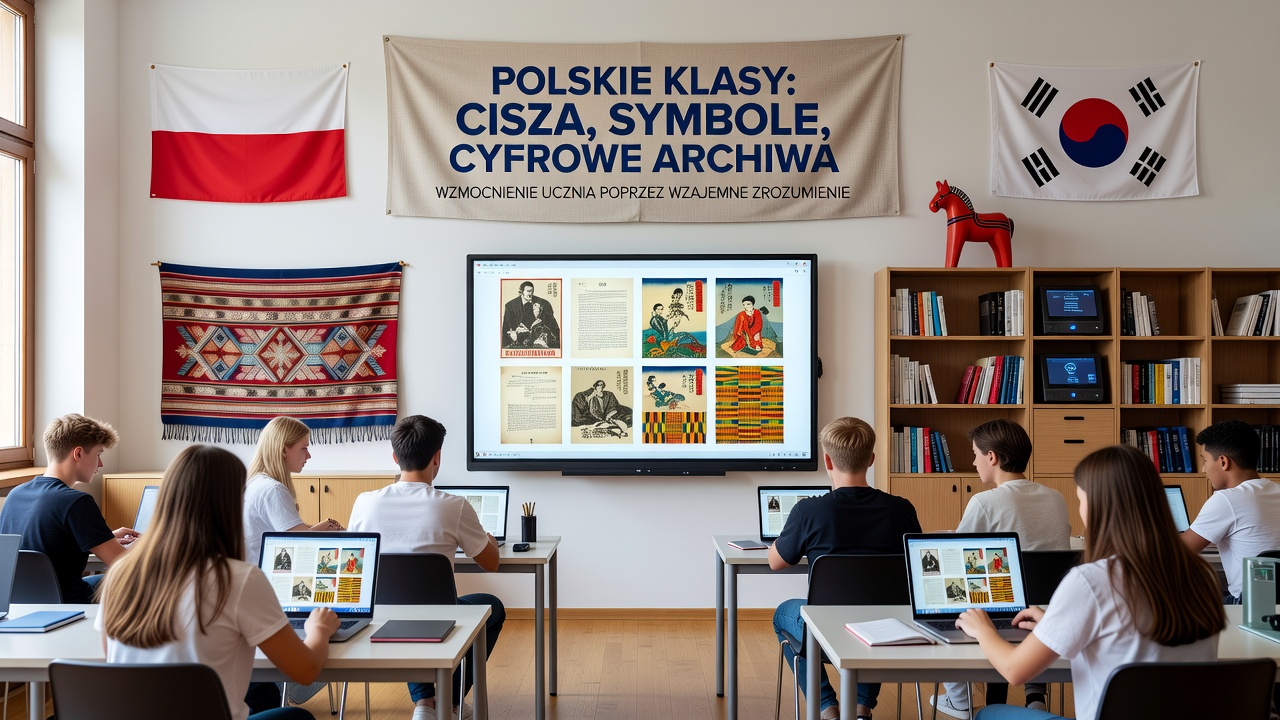
Administrative teams monitored engagement through anonymized analytics that protected privacy under existing EU data regulations, and the resulting datasets helped refine which symbols produced the strongest correlations with improved test performance. Observers from the Polish Ministry of Education visited participating sites in late 2026 and recorded that teachers spent less time redirecting distracted students once the combined symbolism and archive system became routine. Those same visits highlighted how rural schools adapted the model using lower-bandwidth archive versions to reach areas with limited connectivity.
Measured Outcomes and Institutional Adjustments
Longitudinal data compiled by research groups at Jagiellonian University revealed that students exposed to the dual approach maintained higher attendance rates during winter terms, while self-reported wellness surveys showed consistent gains in sleep quality and mood stability. Schools adjusted lighting and seating arrangements to complement the symbolic elements, and archive interfaces received updates that prioritized quick-loading visual summaries over dense text. A separate analysis from an Australian research institute on cross-cultural learning tools confirmed overlapping findings when similar methods appeared in other regions, although Polish implementations placed greater weight on local archival materials.
Training sessions for educators focused on neutral facilitation rather than interpretation of symbols, which kept classroom discussions factual and allowed students to form their own connections through archive exploration. By October 2026, over 180 institutions had requested access to the shared digital platform, and regional education boards began allocating modest budgets for maintenance and periodic content refreshes.
Conclusion
The combination of cross-cultural symbolism and digital archives continues to evolve within Polish classrooms as new data arrives and institutions refine their methods. Ongoing monitoring by academic and governmental bodies provides updated figures on attention metrics and well-being indicators, while the geographic spread of the practice offers additional case examples for comparison. These developments remain grounded in documented implementations rather than speculation, and further reports scheduled for release in 2027 will track long-term retention of the observed benefits.