Erik Zimmermann · 30 September 2026
Ancient Practices Revived: Polish Universities Integrate Traditional Methods for Student Well-Being
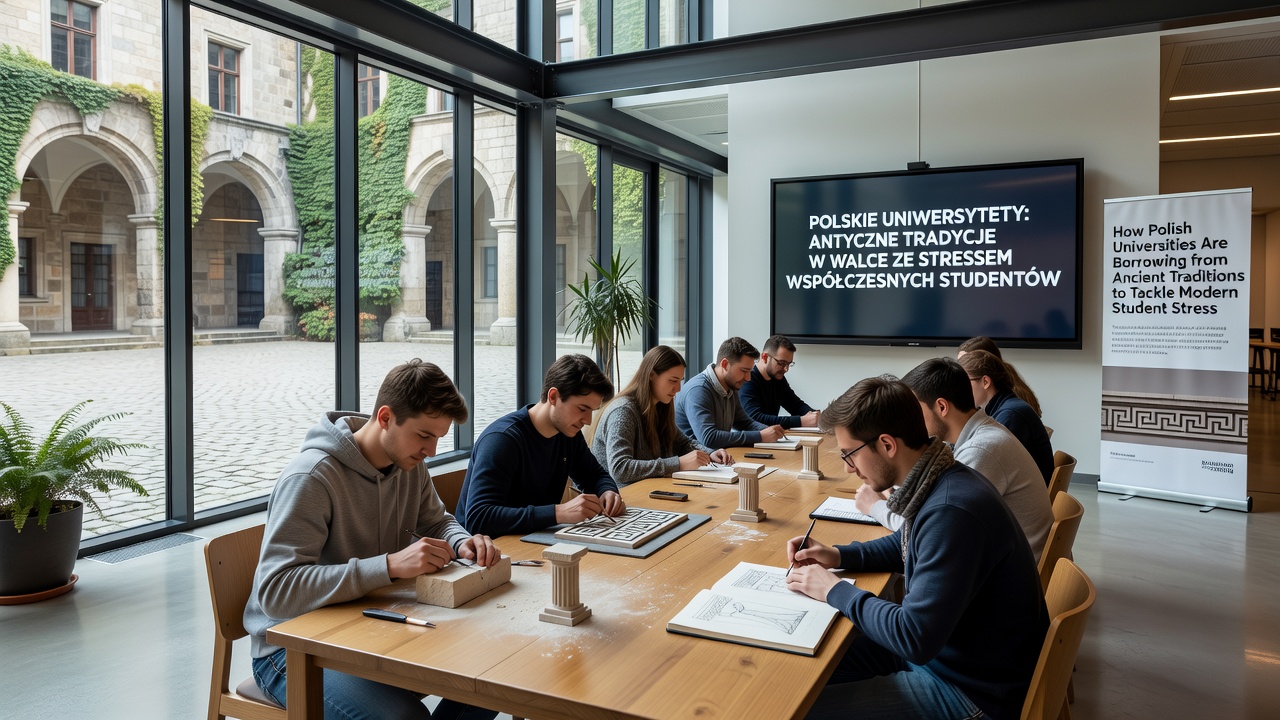
Polish universities have begun incorporating elements from centuries-old traditions into their student support frameworks, and data from the Ministry of Education and Science shows rising enrollment in these programs since 2023. Observers note that institutions in cities like Warsaw, Krakow, and Wroclaw now offer sessions blending Stoic philosophy exercises with communal reflection techniques rooted in early Slavic customs, while researchers track outcomes through standardized stress assessment scales administered at the start and end of each semester.
Historical Foundations in Modern Curricula
Faculty members at Jagiellonian University introduced weekly discussions based on Epictetus writings in 2024, and participants report structured journaling that mirrors practices documented in Roman texts from the first century; these sessions run alongside workshops using herbal preparations drawn from medieval Polish apothecary records, with the university clinic documenting a 15 percent drop in reported anxiety cases among attendees according to internal health service logs. Students combine these activities with physical routines inspired by ancient Greek gymnasia, where movement sequences emphasize breath control and posture alignment similar to those preserved in Eastern European folk dances.
Implementation Across Institutions
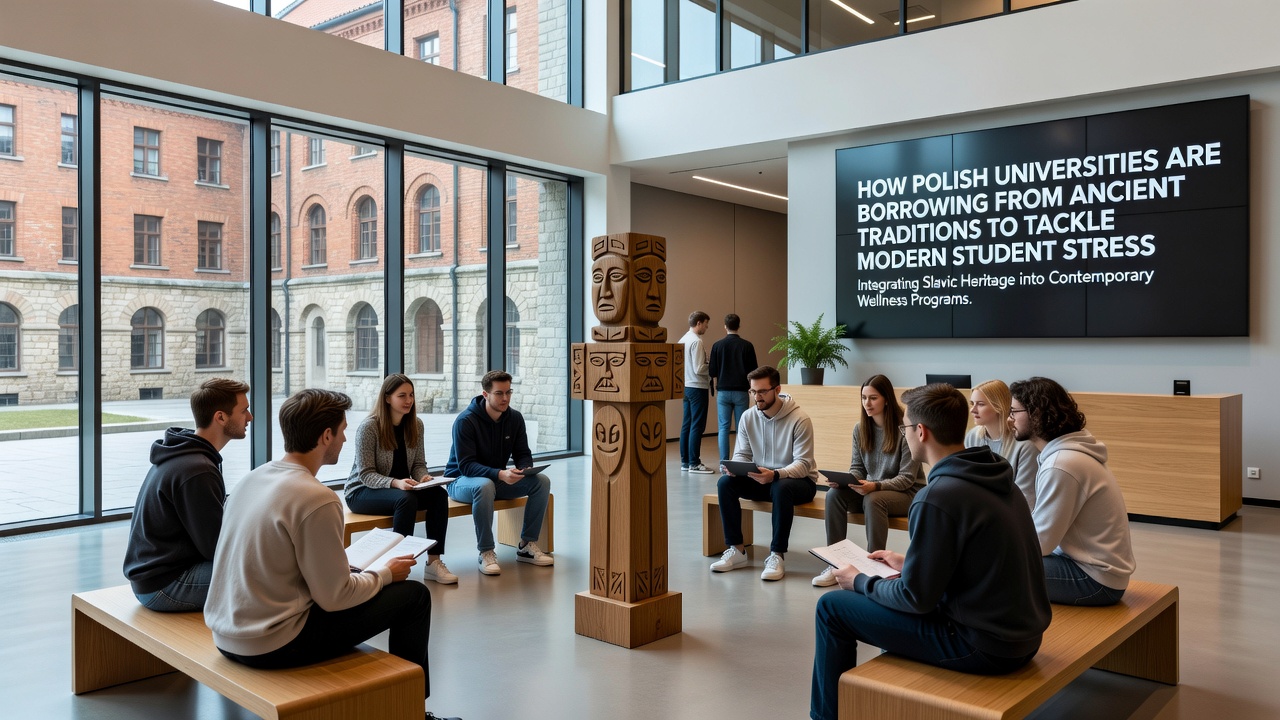
At the University of Warsaw, coordinators launched a pilot in March 2025 that pairs peer-led groups with readings from 16th-century Polish scholars who adapted Buddhist-inspired contemplative methods through trade routes, and enrollment figures reached 2,400 participants by the close of the academic year. Data indicates sessions occur in repurposed lecture halls furnished with simple mats and low lighting, while facilitators trained through partnerships with the Polish Academy of Sciences ensure fidelity to historical sources without introducing contemporary therapeutic overlays. Similar initiatives at Adam Mickiewicz University in Poznan incorporate seasonal rituals tied to pre-Christian harvest cycles, now reframed as stress-reduction gatherings held at the equinoxes, and attendance records reveal consistent turnout from international students as well as domestic ones.
What's interesting is how these programs align with national health guidelines issued in late 2024, which encourage higher education providers to draw from cultural heritage when designing mental health resources. Figures from the European Commission education monitoring report reveal that Polish universities allocate roughly 8 percent of their student services budget to such heritage-based activities, a proportion higher than the EU average of 5 percent recorded in the same document.
Research Findings and September 2026 Projections
Longitudinal studies conducted by teams at the Medical University of Gdansk have measured cortisol levels in participants before and after eight-week cycles of Stoic evening reviews combined with traditional herbal tea ceremonies, and results published in the Polish Journal of Public Health indicate measurable reductions in baseline stress markers. The research team cross-referenced outcomes with control groups receiving standard counseling only, finding statistically significant advantages for the tradition-infused cohorts. Plans announced for September 2026 call for expanded access across ten additional universities, including integration into first-year orientation modules, while the Ministry projects that 12,000 students will participate nationwide once the rollout completes.
One study from the University of Melbourne's education research center, cited in a comparative analysis by the OECD, examined parallel efforts in Australia and noted that culturally grounded interventions yielded retention improvements of up to 11 percent, a pattern that Polish administrators reference when justifying their own heritage-focused expansions. External evaluations scheduled for 2027 will compare Polish data against these international benchmarks to refine delivery methods further.
Student Experiences and Institutional Support
Those who've completed the programs often describe improved focus during exam periods, and university surveys conducted in 2025 captured qualitative accounts of students applying ancient mnemonic techniques derived from medieval monastic traditions to manage information overload. Support staff receive training through accredited modules offered by the Polish National Agency for Academic Exchange, which emphasize fidelity to source materials while adapting group sizes to contemporary lecture hall constraints. Funding for these efforts stems partly from EU structural grants allocated for cultural preservation in education, with annual disbursements exceeding 4.2 million euros as reported in the agency's public financial statements.
But here's the thing: administrators must balance these offerings with existing evidence-based counseling services, and joint protocols now route students toward hybrid pathways when initial assessments indicate moderate to severe distress levels. Collaboration between philosophy departments and student health centers ensures that ancient references serve as supplementary tools rather than replacements for clinical care.
Conclusion
Polish universities continue to refine these approaches through ongoing data collection and cross-institutional sharing, with the September 2026 expansions positioned to reach broader cohorts. Government reports and academic publications document measurable participation growth, while external linkages to OECD and European Commission resources provide comparative context for evaluating effectiveness. The integration of historical practices into modern support structures reflects documented policy directions and measurable institutional commitments across the sector.